
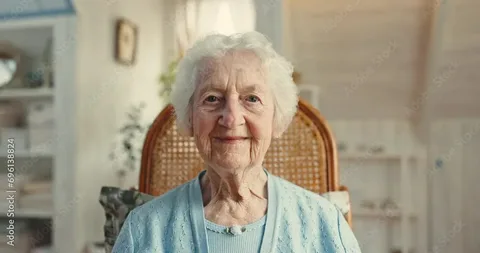
The signs an elderly person is in their final year are usually characterised by physical weakness, loss of weight, increased fatigue, changes in mental aspects and increased dependence on other people. Being aware of these signs assists the family members in managing loving, caring, and respectful care.
Understanding End-of-Life Changes in the Elderly
It may be emotionally difficult to recognise changes in an ageing individual. Gradual changes in health, behaviour or independence often occur in families, which cause this question to be asked of the family. Being aware of the signs that an elderly person is in their final year does not show an exact time span of when he or she will die. It just informs the reader of when her or his support, comfort, and caring services will be needed.
The process of ageing an individual is distinct. A gradual and mild deterioration is experienced in some cases, and sudden signs of health loss are evident in others. These changes are not a cause of panic but a chance so that the families would concentrate on dignity, comfort and quality of life.
This blog presents simple and straightforward elderly end-of-life indicators in a gentle manner that ensures that the families and the carers in the UK are well equipped, informed and confident enough to make care decisions. It also demonstrates how loving family care can bring a significant change in later life stages.
What Does “Final Year of Life” Mean?
‘Final year of life’ may be a challenging term to hear, yet in healthcare and care, it can be seen as a phase when the observed health deterioration becomes more pronounced, and the need to be assisted becomes more significant.
Natural Ageing vs End-of-Life Decline
In normal ageing, changes occur gradually, such as a decrease in stamina, slowing of mobility and mild memory loss. However, end-of-life indicators tend to be more than ageing itself and indicate a severe physical or mental deterioration.
Among the key distinctions, one can single out sustained weakness rather than transient exhaustion, continued health impairment rather than recovery, and inability to perform everyday tasks.
Why Signs Vary Between Individuals
There is no way that two individuals will have a later life. Conditions such as prevailing medical issues, mood, support, and general strength determine the manifestations of health degradation.
Some of them are mentally clear but physically weak, whereas others develop cognitive impairment before physical alterations occur. This fluctuation demonstrates why the concept of learning patterns, rather than single symptoms, takes such significance.
Importance of Medical & Professional Assessment
Though families can be aware of the changes initially, professionals such as health professionals are instrumental in the interpretation of the same. GPs, district nurses and specialist teams evaluate the symptoms, clarify the situation and suggest the right course of treatment.
Informed, compassionate and individual-based decisions are made under the guidance of the professional.
Sign 1: Noticeable Decline in Physical Health
A most well-known indicator of end-of-life is the visible and progressive improvement of physical health.
Increased Frailty & Weakness
An older individual might appear particularly weaker, weak in performing simple acts or can feel extremely tired. The possible activities that were manageable in the past, like standing, walking small distances and lifting light items, can prove to be exhausting.
Such weakness is also a typical indication of deterioration of health, which is often accompanied by a decrease in muscle mass, a decrease in energy stores and a weakening of the body in general.
Frequent Illnesses or Infections
The other indicator is an escalation in infections, the major ones being the chest infections, urinary tract infections, or the ones that do not heal easily. The body also fails to resist disease as the immune system becomes weak.
Recurrent or excessive illness is a marker of end-of-life and can be used to indicate that a patient requires closer observation and supportive care.
Reduced Mobility & Falls
Mobility issues can increase, resulting in unstable walking or falls. The fear of falling may also restrain movement, leading to isolation and muscle weakness.
The lack of mobility is both a physical and emotional issue, as well as one of the more visible indicators of a final year.
Sign 2: Ongoing Weight Loss & Reduced Appetite
One of the most typical end-of-life signs is changes in eating habits.
Changes in Eating Habits
An elderly person might have small portions of food or skip meals, or they might lose their appetite. Comfort foods might have lost their flavour, and meal eating might have become more like a duty.
This loss of appetite is a natural sign of health decay, not an indication of neglect or carelessness.
Difficulty Swallowing or Digesting Food
Others have a problem with swallowing, chewing, or digesting food. Such injustices bring about distress and elevated chances of aspiration.
The end-of-life signs are considered such and, in most cases, necessitate dietary modification or expert advice.
Lower Energy Levels
Poor nutrition results in weak food energy, resulting in fatigue. Exhaustion-related weight loss usually indicates overall physical dysfunction, as opposed to an individual problem.
Sign 3: Increased Fatigue & Sleeping More
An evident surge of rest and sleep is a typical marker of the last year.
Spending More Time Resting or Sleeping
Old people can sleep more at night and during the day. The slightest action can be overwhelming, even to a small degree.
This is only natural because the body will preserve the energy at later stages of life.
Reduced Interest in Daily Activities
Leisure activities that used to be attractions, like watching TV, reading or having a hobby, do not attract any interest anymore. This was his withdrawal, which shows both physical and emotional alteration.
A lesser involvement is a more subtle indicator of end-of-life, but this has emotional implications for the families.
Shortness of Breath With Minimal Effort
Simple tasks or just resting could lead to breathlessness, particularly in people with diseased hearts or lungs. It is a symptom that is associated with fatigue and anxiety and would be an indicator of the need for supportive care.
Sign 4: Cognitive & Emotional Changes
One of the major indicators of end-of-life in older adults is mental and emotional changes.
Increased Confusion or Memory Decline
Losses of memory become widespread, and misunderstandings might grow. Individuals might get into difficulties with recognising known faces and getting lost in known environments.
Such developments are unpleasant to families. However, they are typical signs of ageing deterioration in older adults.
Withdrawal From Social Interaction
The elderly patient can also become less talkative, quiet, and likes to stay alone. No withdrawal need not be sad. Perhaps it could signify emotion processing or a lack of energy. This knowledge is very beneficial because families know to be patient and understanding of such behaviour.
Changes in Mood or Emotional Responses
The moods may be anxious, depressed, or show no emotion. There are individuals who think hard in life, and those who will show a lower number of emotions. Such changes are significant terminally, indicating signs that should be supported delicately.
Sign 5: Greater Dependence on Others for Daily Care
Increasing dependency is a strong indicator of an aged person in his/her last year.
Difficulty With Personal Care Tasks
Washing, changing clothes, toileting, or grooming may be a hard or dangerous task without an assistant. It is a normal experience, which is quite difficult to tolerate, and involves losing control over personal care.
Increased Need for Support & Supervision
Individuals may require care and attention to avoid falling, deal with medication, or sustain nutrition among the aged. Such a requirement usually piles on family members emotionally and physically.
Reduced Independence
The inability to perform most of the daily activities is an indicator of a high level of health deterioration and requires the development of careful and systematic assistance.
End-of-Life Signs in the Elderly: When to Seek Additional Support
Identifying the end-of-life signs is not about giving up. It is about providing a sense of comfort, dignity, and good care.
Speaking With GPs & Healthcare Professionals
The GP or healthcare giver is able to examine the symptoms, demystify the scenario and refer families to the opportunities of supportive care. Breathing discussions serve to make care consistent with the needs and the wants of the individual.
Considering Palliative or Supportive Care
Palliative care aims at comfort, management of symptoms, and emotional support. It may be administered in combination with other therapies and is an essential choice in cases when end-of-life indicators become more definite.
Emotional Support for Families
Families tend to have anticipatory grief, uncertainty and exhaustion. It needs emotional support, such as counselling, support groups, or professional assistance.
How Home Care for Adults Can Help During This Stage
The importance of home care is evident in the last year of the older adult is evident.
Comfort & Dignity at Home
Remaining in the familiar environment is emotionally soothing and stress-free. Any home care allows the person to retain his or her routines and preferences.
One-to-One Compassionate Care
Specialised assistance is provided by personalised attention to the needs (physical, emotional and practical). This individual form is particularly useful in later life.
Support for Both Individuals and Families
Professional carers assist the individual and burden the family members with ensuring and guiding the individual, and also resting.
Maintaining Quality of Life
Home care places a high value on comfort, dignity, and meaningful moments, which are the most significant in the case of end-of-life signs.
Why Families Trust Angels Care
In the UK, there is a confidence with Angels Care that families have about its considerate, person-centred later-life home care.
Experienced & Compassionate Caregivers
The Angels Care carers are equipped with the skills to identify signs of health decline and then act with empathy, patience and professionalism.
Personalised End-of-Life Support Plans
Care plans correspond to personal needs, preferences, and medical recommendations, and they make them dignified.
Respectful, Dignified Home Care
Angels Care emphasises the importance of dignity, comfort, and emotional well-being and takes care of people and their families in a sensitive and respectful manner.
Ongoing Family Communication & Support
Effective communication is one that keeps the families informed and reassured and instils trust in them during times of emotional complexity.
FAQs
1. Are end-of-life signs in elderly people the same for everyone?
No. Signs at the end of life are diverse depending on the health, as well as conditions and individual circumstances.
2. Should families seek professional advice when noticing elderly health deterioration?
Yes. Hospital workers will be able to evaluate symptoms and make the correct care choices.
3. Can home care support elderly people in their final year?
Absolutely. Home care offers solace, respect and individual care at later life stages.
Conclusion
Being aware of the signs an elderly person is in their final year, the family of the person responds in a way that reflects compassion, understanding, as well as timely support. Elderly end-of-life indicators that are common include physical decline, weight loss, fatigue, cognitive changes, and increased level of dependence, but every will is different. It is through dignity, comfort, and informed care choices that the loved ones can be given the respect and support they deserve by their families.
Angels Care is the one that can assist you in assisting a loved one in his or her later life. Get in touch with us and talk about compassionate, personalised home care for the adult population of the UK.